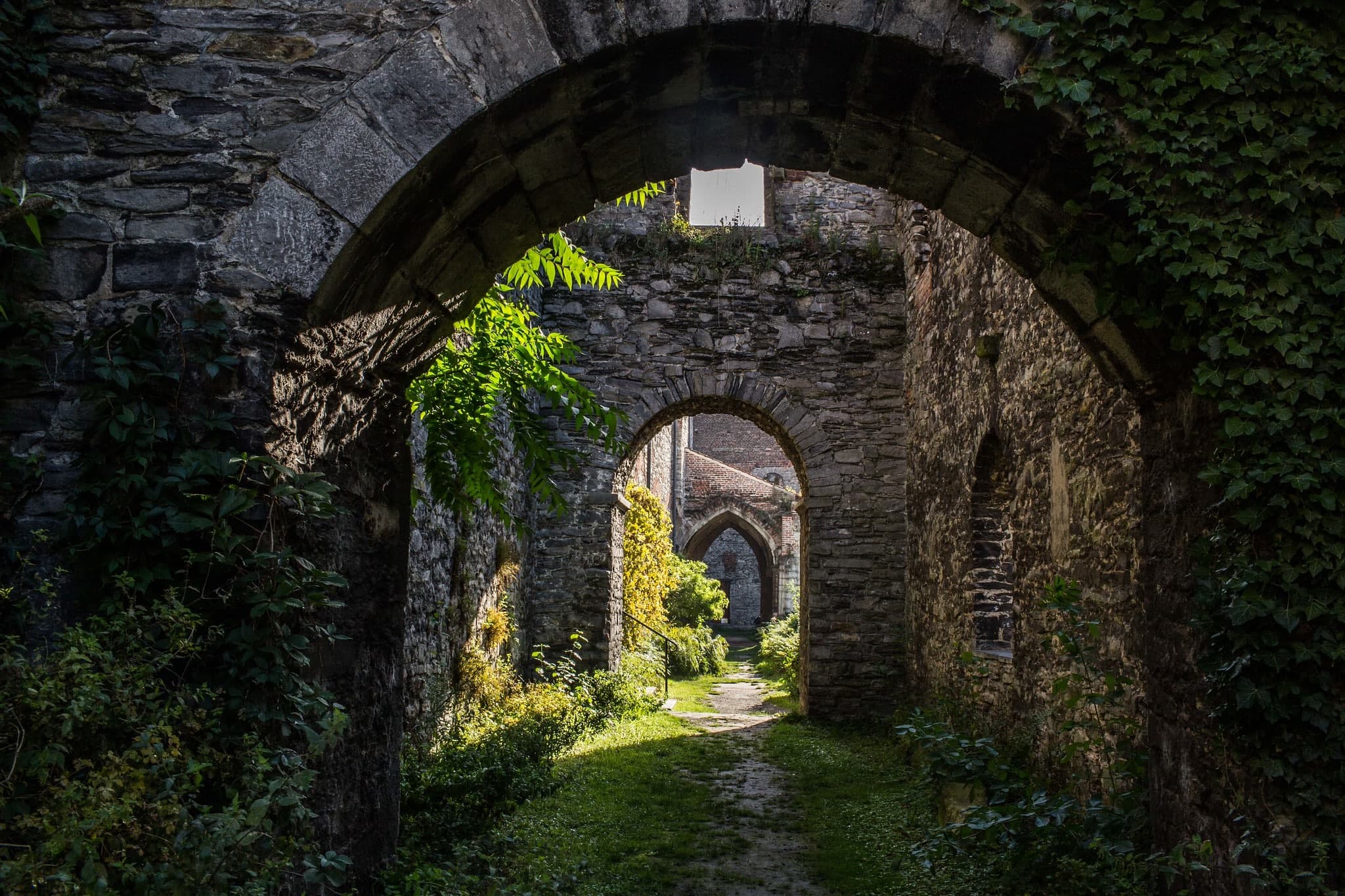
10 Things You Need to Know Before Joining Us at EGI2026 in Ghent
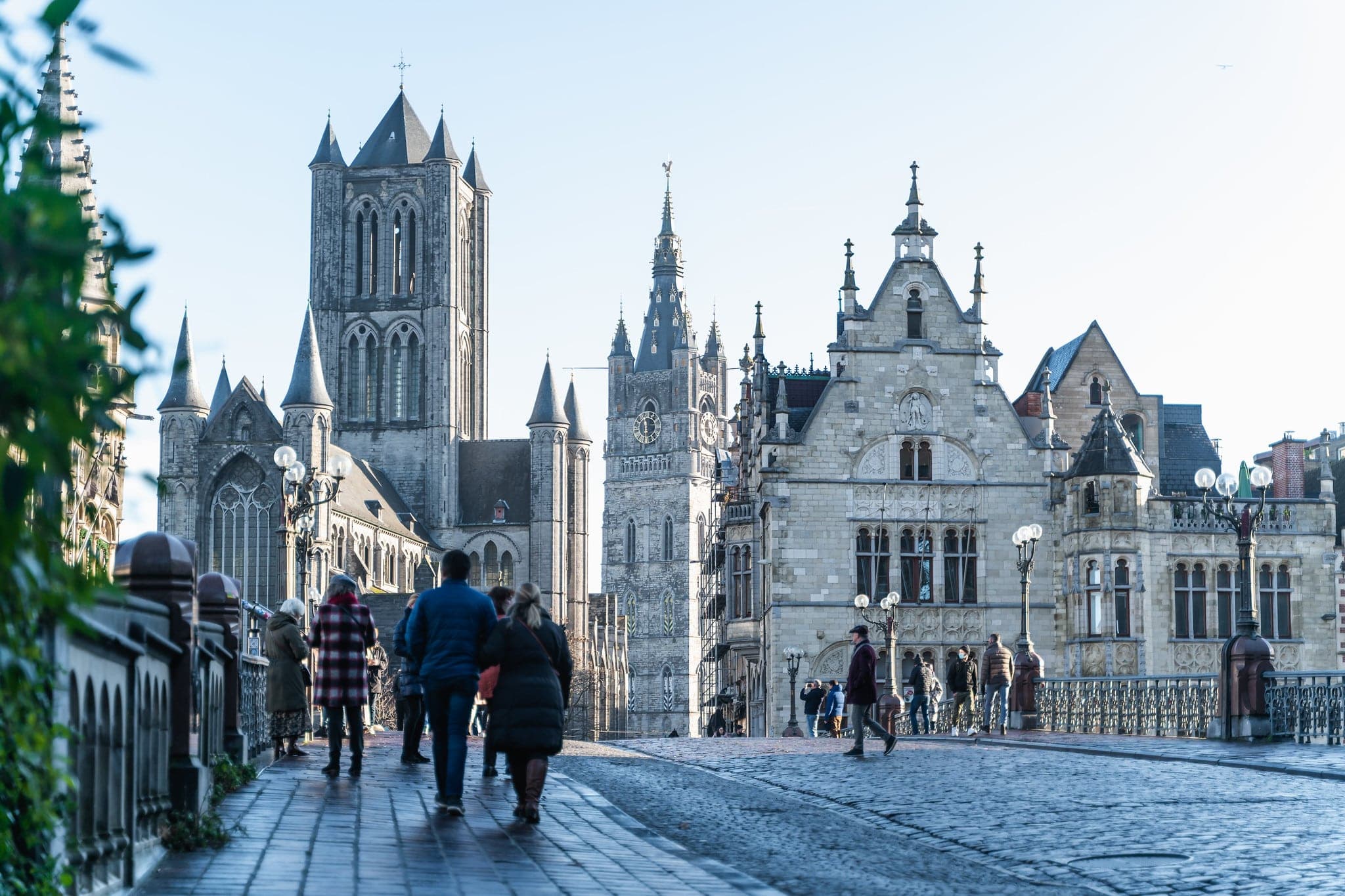

I am incredibly excited to welcome the EGI community to Ghent for EGI2026 this September! As you prepare your travel plans, here is an insider’s guide to navigating my hometown like a local – from preparing for unpredictable weather to the best spots to buy chocolates or to drink a pintje.
You’ll see that the tips below are completely subjective and based on my own experience as a local. If you follow the button below, you can see my personal highlights on a custom Open Street Map (work in progress). If you spot anything interesting I should know (a new café or a nice restaurant), let me know! Happy to put it on my personal to-do list.
Layer Up for 'Four Seasons in One Day'
No, it doesn’t always rain in Belgium! However, the weather here remains beautifully unpredictable. In September, we’ve experienced everything from crisp 20°C autumn days to full-blown autumn storms and even late-summer heatwaves (!).
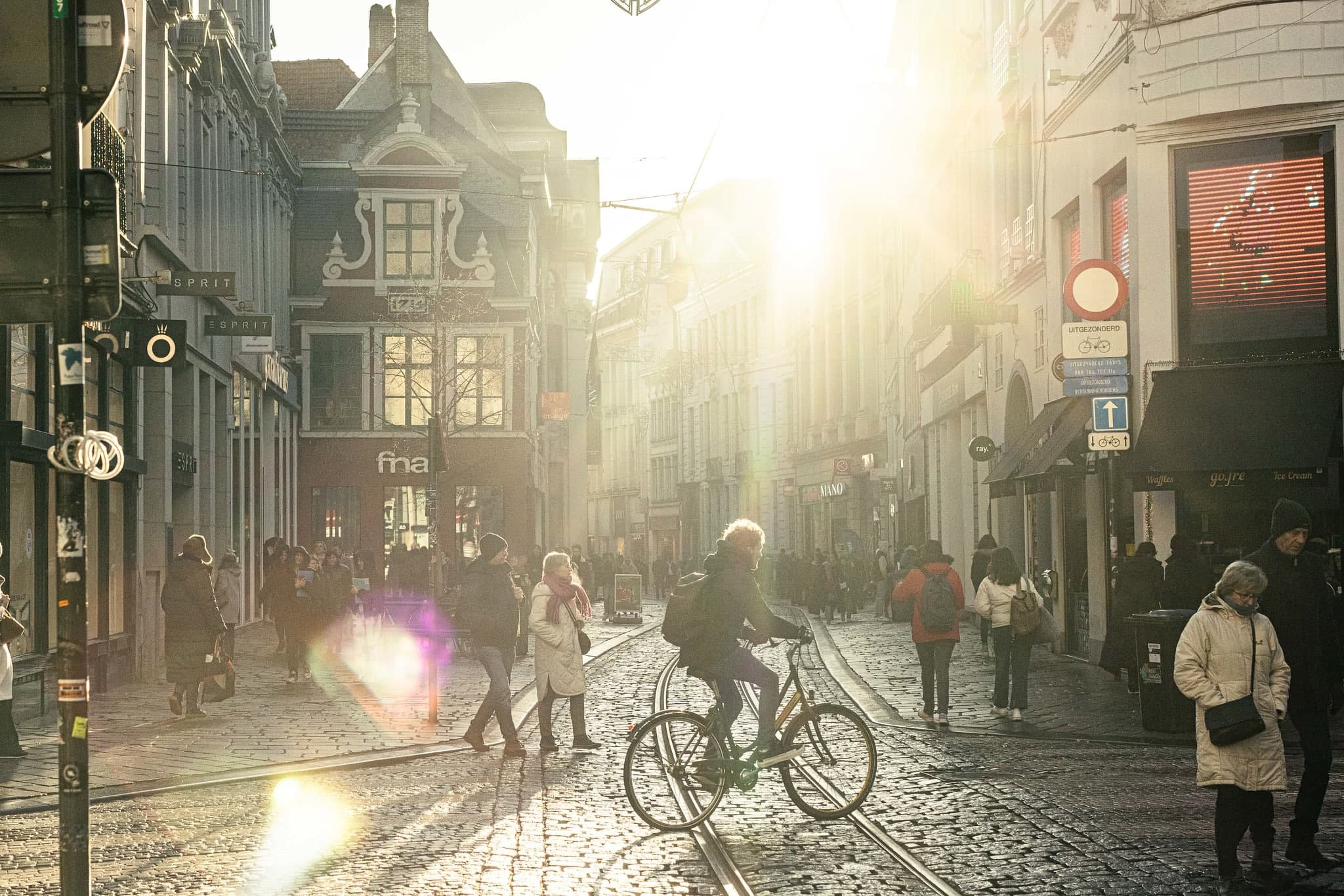
My biggest advice: Bring layers. Pack a sweater or scarf for chilly conference rooms and evening walks, alongside your sunglasses and an umbrella. Most importantly, bring comfortable shoes. Ghent’s medieval center is best explored on foot, which means you will encounter plenty of historic (and uneven) cobblestones!
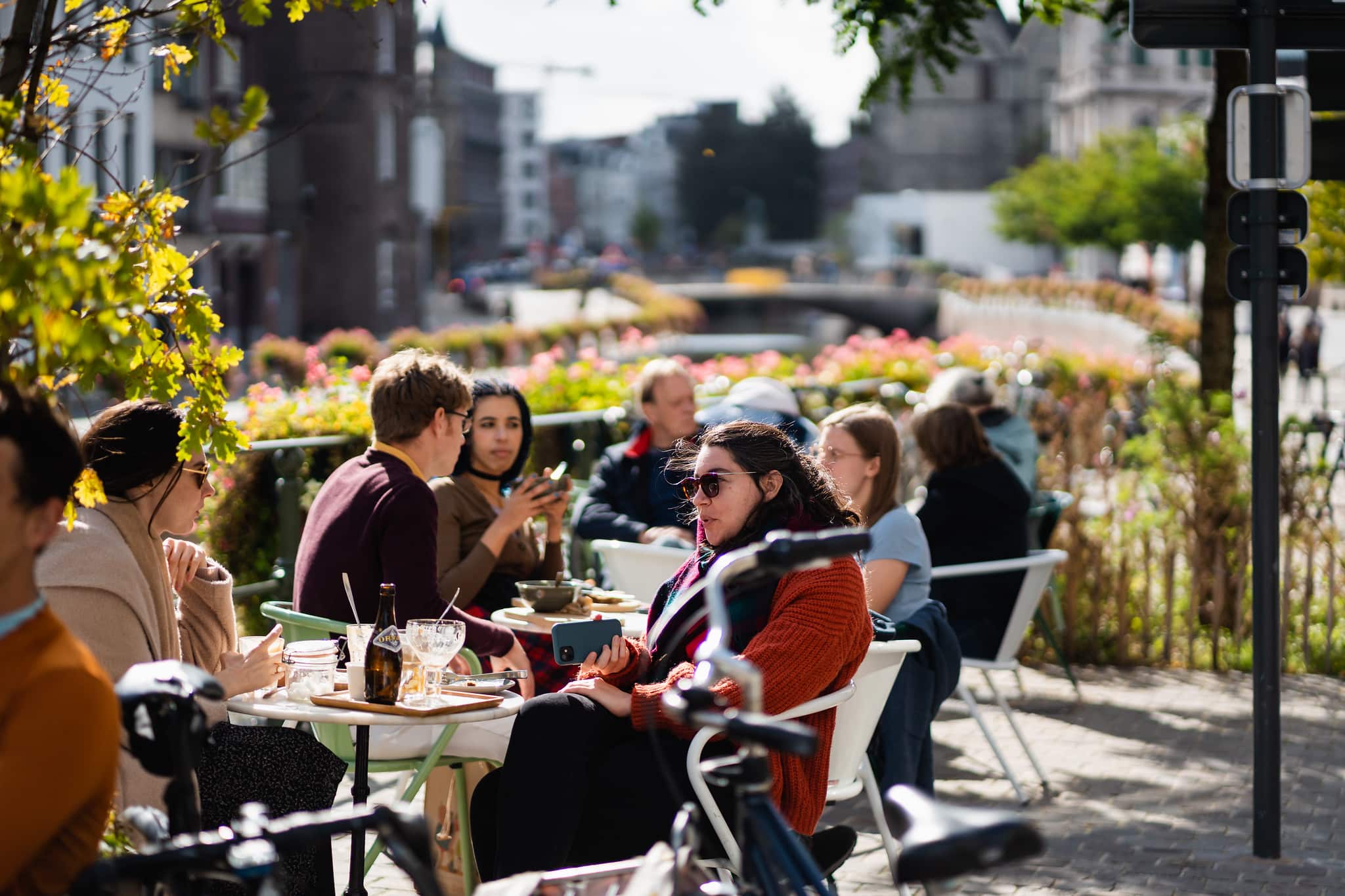
Regardless of the weather, you’ll notice that there is a big terrace culture. Locals just love to layer up and sit outside all evening (although this might change with the impending smoking ban…). Most terraces are well-appointed for this and offer sturdy coverings, blankets and even heaters!
Walk, Cycle, or Public Transport (Leave the Car!)
Walking is almost always the fastest way to move through the historic center. If you prefer public transport, simply tap your contactless card on the vehicle or use the De Lijn app for schedules and tickets.
Note on Public Transport: Major infrastructure works are currently underway in the city center, which may affect bus and tram routes to and from the venue. Keep an eye out for suspended stops – sometimes a quick walk is faster than the detour!
Thinking of driving? Don’t. Ghent’s center is largely car-free, enforces a strict low-emission zone, and utilizes a complex “circulation plan” with many one-way streets. If you must bring a car, park it safely and cheaply at a P&R (Park & Ride) outside the center and catch a tram into town. For late nights, Ubers and taxis are plentiful and affordable (typically €12–€15 across the center).
Of course, you can also go truly local and … cycle!
Watch Out for Bikes (and Tram Rails!)
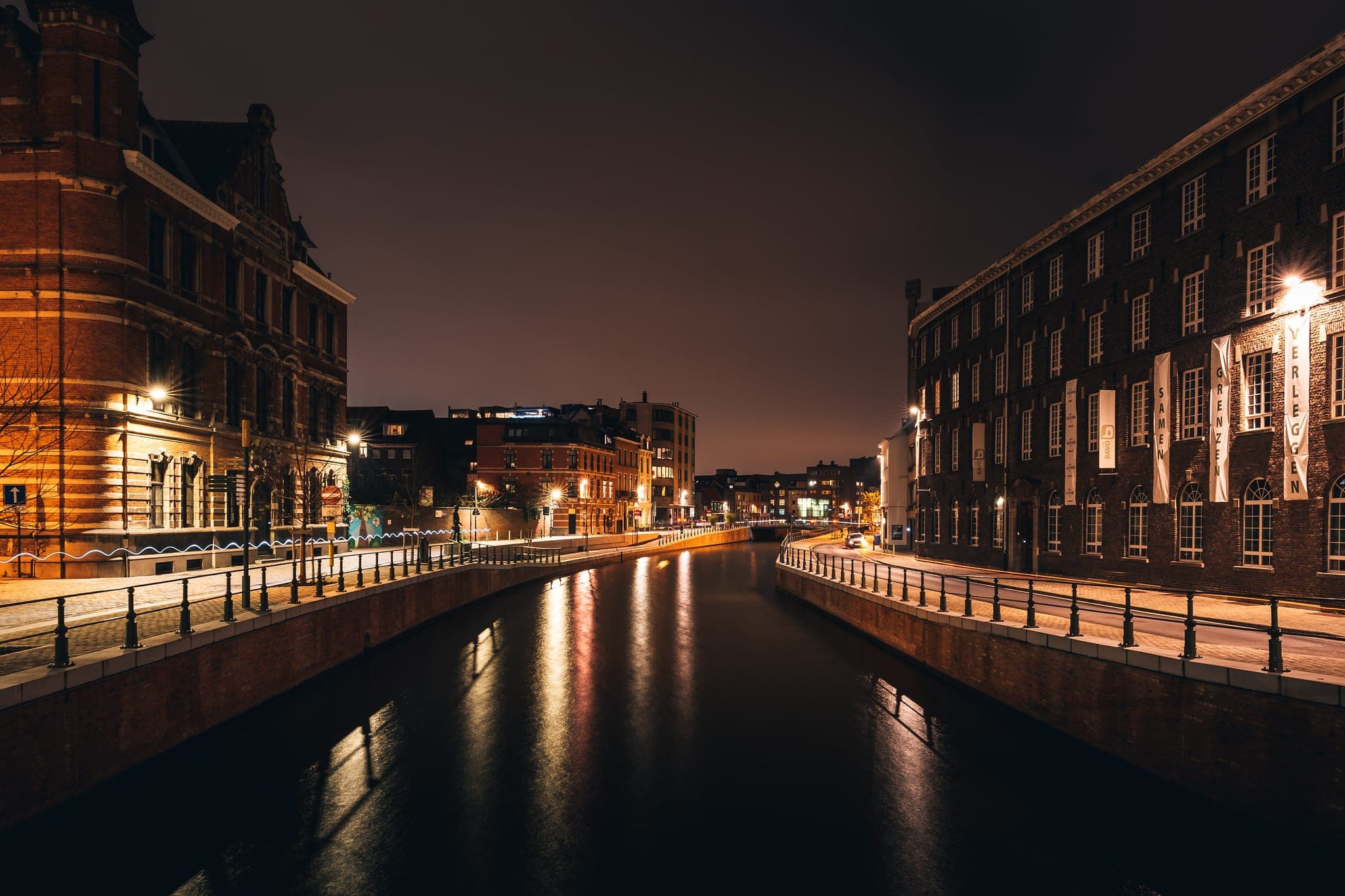
Ghent recently ranked even higher than Amsterdam on the Copenhagenize Index of Europe’s most bike-friendly cities. Because the center is mostly car-free, cyclists rule the city.
-
As a pedestrian: Stay alert! Avoid lingering in the middle of the street to take photos, and always look both ways before crossing – even in the most picturesque, seemingly quiet alleys.
-
As a cyclist: If you rent a bike (via your hotel, Donkey Republic or Dott), stick to designated parking spaces, stay off pedestrian-only shopping streets during the day to avoid fines, and watch out for tram rails. Crossing a tram rail at the wrong angle on slippery cobblestones is a first-class ticket to the ER! Also, don’t drink and drive – many accidents have happened after jumping too confidently on an electric bike after a pint or three too many (not talking from personal experience here!).
As our conference week is also the start of the academic year, keep in mind that the city will be flushed with fresh students. Some of them might not be aware of the complex traffic/cycling rules in the city, so be extra watchful!
Head to a 'Café' (for a Pintje of Beer!)
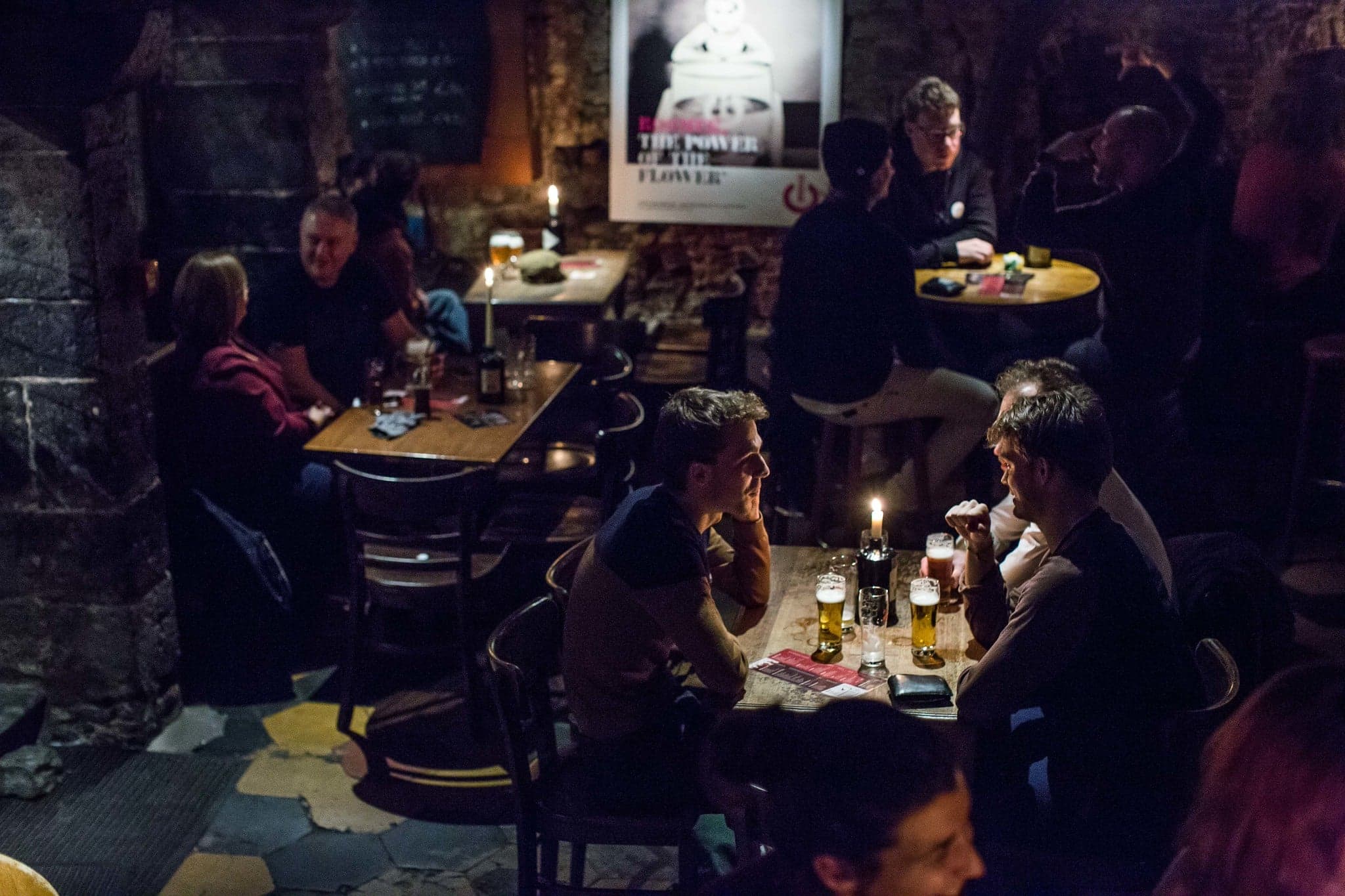
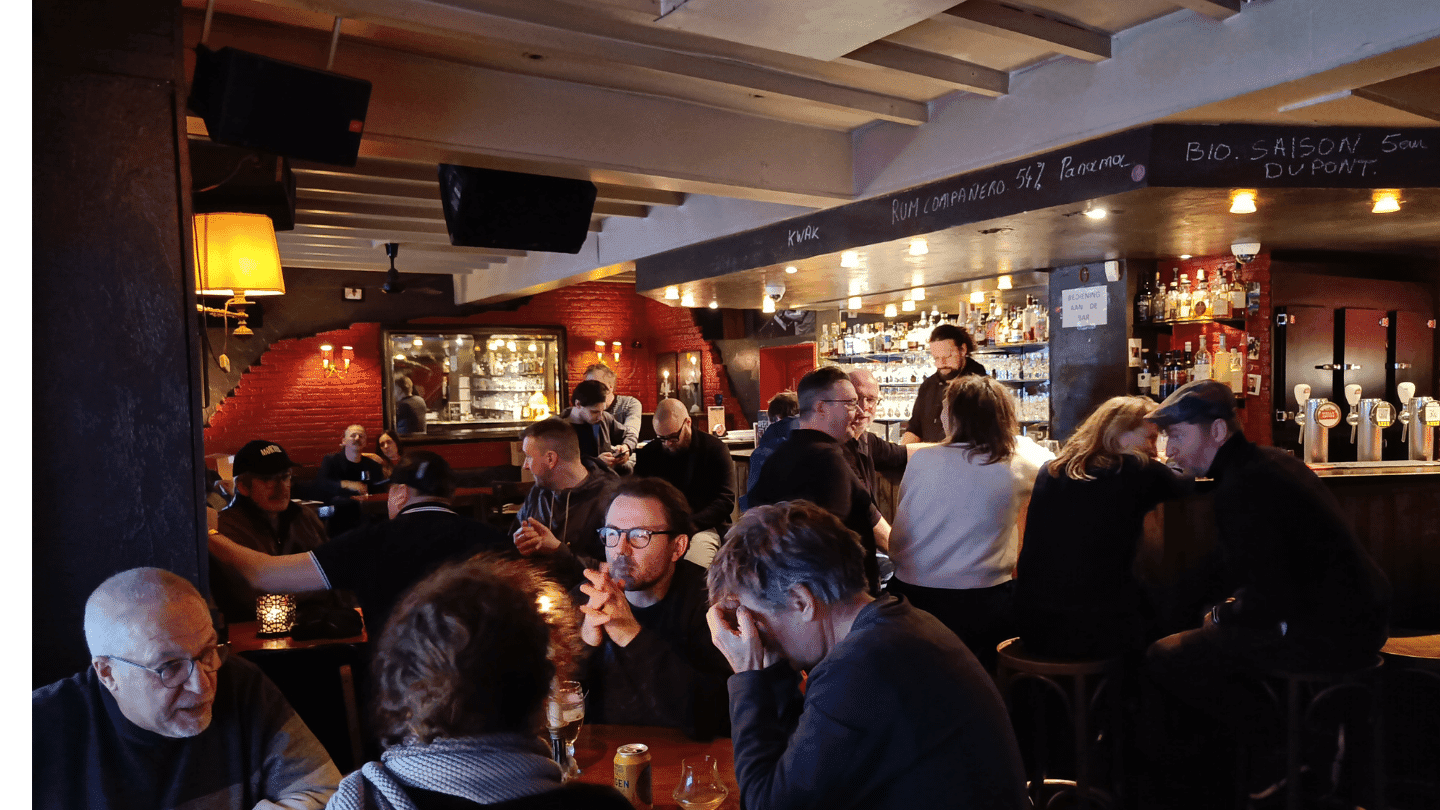
In Belgium, a café is a pub or bar, not a coffee shop (in fact, if you order a coffee in one after dark, you might get a reluctant look!). “Going to a café” is a quintessential social pastime for relaxing after work or enjoying a pre-dinner aperitief.
While Ghent has a thriving nightlife, the vibe is overwhelmingly laid-back and chill rather than a loud, rowdy party. For an authentic local experience, head to the historic squares: Vrijdagsmarkt, Oudburg, Sint-Jacobs, or Vlasmarkt.
Group Tip: Ghent’s typical ‘brown cafés’ are cozy and small. If you are heading out with a group of 20+ people, avoid overwhelming the staff by splitting up your drink orders and payments where possible. For larger group spaces with great terraces, try Vooruit, ‘t Kanon, or the bars on Korenmarkt or Vrijdagsmarkt.
Pace Yourself: Don't Mix Too Many Heavy Beers
This is likely the tip you’ve been waiting for. Ghent’s beer menus and affordable prices are legendary, but a word of warning: respect the alcohol percentage! Heavy hitters like Trappists, Abbey beers, and classics like Duvel or Delirium Tremens are meant to be sipped slowly. Of course you will ignore this tip, I know.
-
The Pro-Tip: If you want a world-class Belgian beer that won’t give you a headache, look for Orval. It’s a beautifully complex, amber, non-sweet beer sitting at a manageable 6.5% ABV. It’s rare abroad, but ubiquitous and cheap here (although sometimes the supply chain can show some hiccups, it’s a traditional abbey beer after all).
-
Local Crafts: Ask your bartender for local Ghent specialties from microbreweries like Stroom, Pius or DOK Brewing Company.
-
For a long night: Stick to a humble pintje (a standard pils like Primus or Cristal served in 25cl or 33cl glasses). Save the heavy stuff for a nightcap.
You Will Not Go Hungry (Even on a Budget)
Dining out at a traditional Belgian brasserie can scale up quickly (expect around €40 per person for two courses and a drink). Because restaurants are often small and highly popular, making a reservation is essential if you are dining with a group larger than 4 (don’t hesitate to ask me for recommendations or check the map).
If you are on a budget or looking for a quick bite, options are plentiful:
- A cheaper option can be to head to one of the many Turkish, Syrian, Indian, Thai, Korean, Nepalese restaurants in the city centre, or to discover one of the quality fast-food restaurants (Joey’s smash burger, Halab al Shahbaa, Bar Barouche, Poule & Poulette, …).
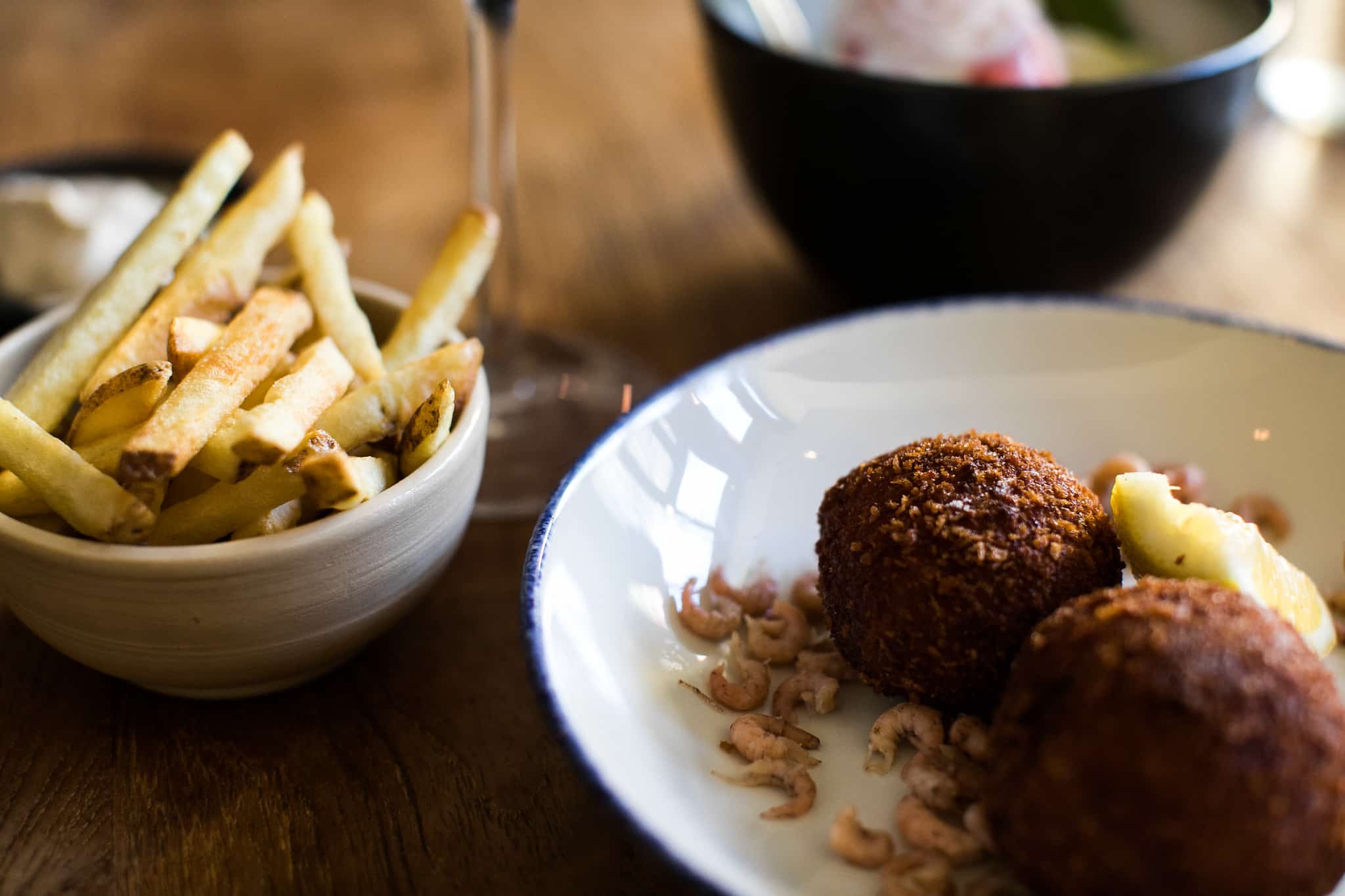
- Skip formal dinner entirely. Order a portie kaas (cheese plate) or droge worst (dried sausage) at a café to accompany your drinks, and hit a late-night frietkot for fries and a snack (try a Bicky Burger, a cheese croquette, or a frikandel) later.
- Ghent is proudly the vegetarian capital of Belgium. Almost every restaurant offers excellent plant-based options, and dedicated spots like Epiphany’s Kitchen, Boon, Le Botaniste, and Knol & Kool are really nice – also for non-vegetarians.
Bypass the Tourist Traps
Luckily, Ghent doesn’t have many real tourist traps. Usually, the worst that can happen is that you seriously overpay.
But to experience the city like a true local, keep these rules of thumb in mind:
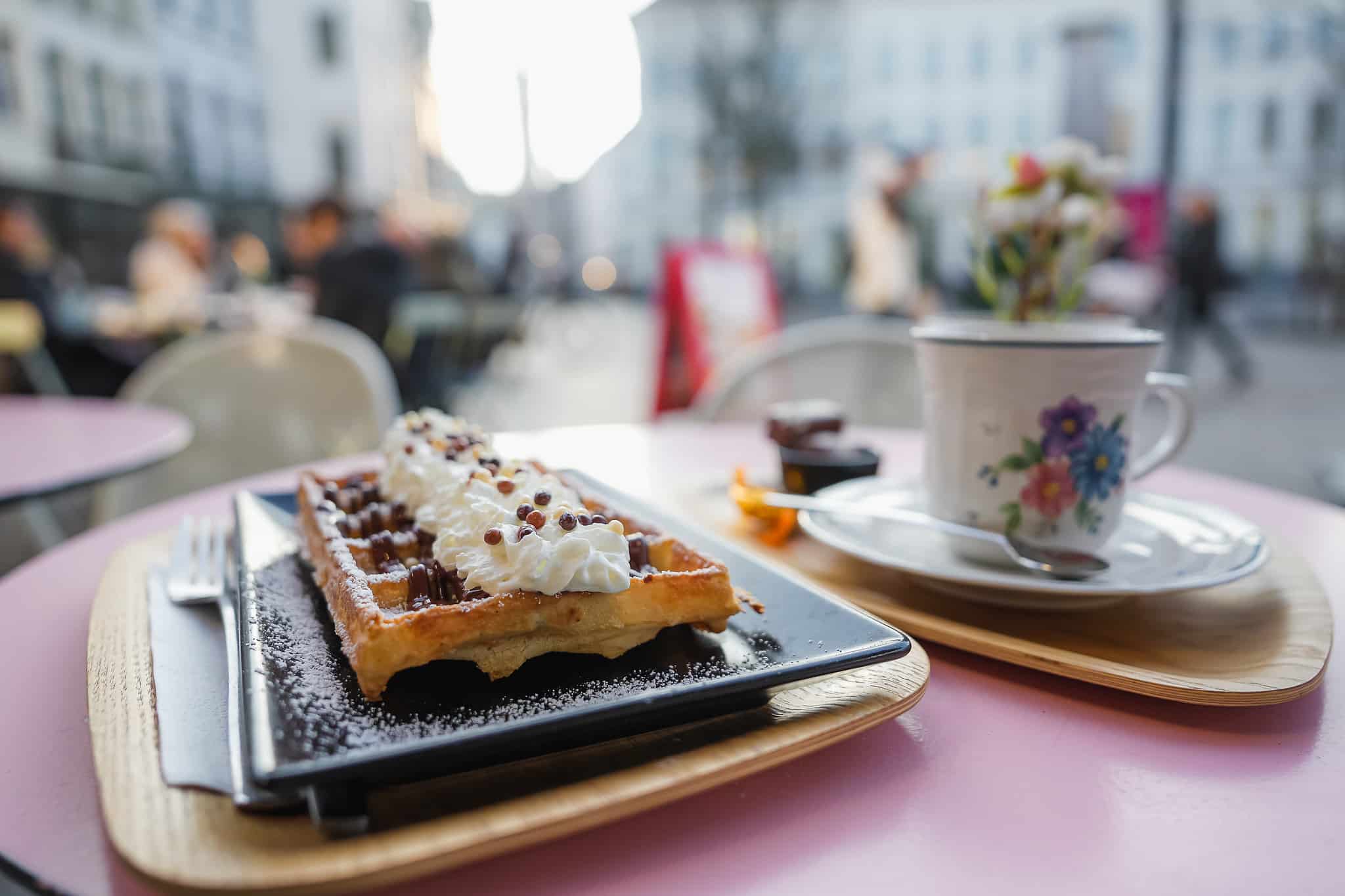
- Waffles: Do not overload your waffles with toppings! A Liège waffle is already deeply caramelized and sweet – it needs nothing extra. A rectangular Brussels waffle is light and unsweetened, traditionally enjoyed with just a dusting of powdered sugar or seasonal strawberries. Nutella and M&Ms are strictly tourist inventions. Also I have no idea how to eat these overloaded stacks while walking in the street.
- Fries: True Belgian fries are high-quality, fast, and inexpensive. A large, overflowing portion of fries, including sauce and snacks, should cost around €10. Avoid the trendy boutique fry shops in the city center charging premium prices for tiny portions.
- Cuberdons: The famous local candies (‘noses’ or ‘neuzekes’) are traditionally raspberry-flavored and dark purple/red. The multi-colored variations you see are tasty but modern gimmicks.
- Overall, some very ‘typical’ sweet shops have popped up lately – looking like they’ve been around forever. Hint: they are not. If you want to bring home some true Ghent food specialties, try:
Bring a Taste of Ghent Home With You
Before you head home, make room in your suitcase for some authentic local specialties:
- Chocolates: splurge on chocolates and pralines from Arijs, De Duytschaever, The Chocolate Maker, or Yuzu. Be prepared for some adventurous flavours though! For more traditional chocolates, budget-friendly but excellent quality, try Van Hoorebeke, or one of the long-standing chains: Leonidas and Neuhaus (both are solid options). To be honest, if you visit any supermarket, you will find some great brands at a fraction of the cost of the specialty shops: (Côte d’Or, Belfin, Callebaut, …)
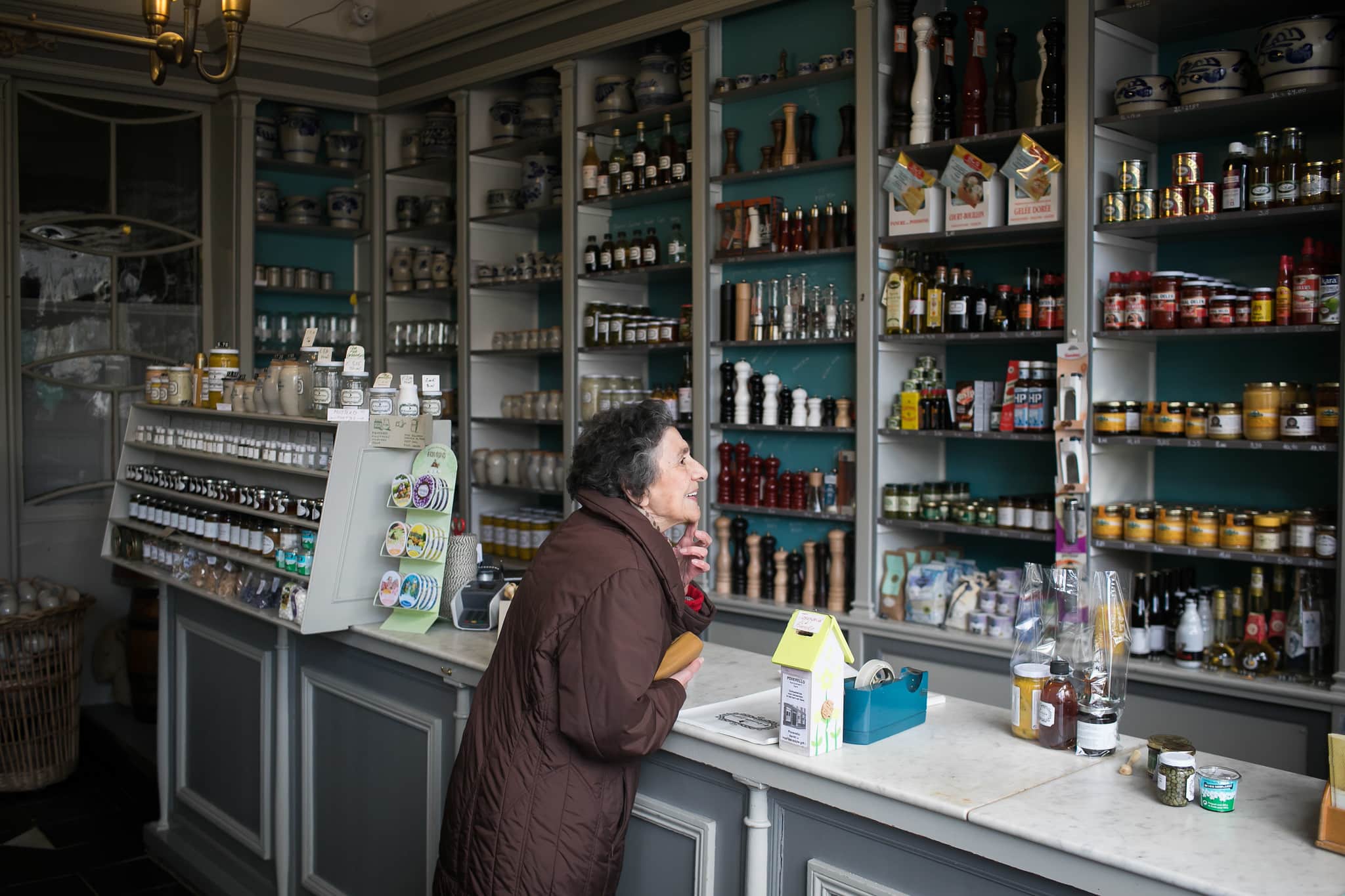
- Tierenteyn Mustard: Visit their historic shop in the city center. It is arguably some of the best, most sinus-clearing mustard in the world (and they have jars that are allowed in your hand luggage ).
- Candy from Temmerman: A gorgeous, traditional sweet shop where all the candy is naturally vegan. Try their local version of the cuberdon (here it has the shape of a head). They also have some very tasty ‘peperkoek’ on offer.
- Beer: Don’t get fooled by tourist shops if you are looking for a specialty beer. Most super markets carry big selections of local and national specialty beers – and there are some stores such as ‘De Hopduvel’ where you will find everything else you might want to take home. If you want to try something special, make sure to sign up for our visit to ‘Stroom’ Brewery on Thursday.
Look Beyond the Medieval Center
It is incredibly easy to get transfixed by Ghent’s fairytale medieval center, especially at sunset. However, there’s plenty to be seen at the fringes of the city centre. During your stay, make sure to explore:
- The Wintercircus: A stunningly restored former indoor circus that now serves as the city’s premier innovation and tech hub- don’t miss its breathtaking rooftop terrace!
- De Krook: A striking modern architectural marvel housing the public library, located right along the waterfront.
- Boekentoren: Often called the 4th tower of Ghent, this modernist masterpiece looms over the student neighbourhood. You can walk in to take a look around – but going up to the iconic 20th floor requires a reservation
- Vooruit: this (a)maze of a building is the cradle of the worker’s movement in Belgium. It offers plenty of cultural spaces for theatre and music, a really nice café and a popular outdoor terrace.
- Campo Santo: This stunning cemetary is called the ‘Père Lachaise’ of Belgium, and with good reason
- Begijnhof: Ghent has three Begijnhoven – these quiet neighbourhoods, walled off, used to be the sanctuary for single women that did not want to get married or enter a cloister. Now, these are lovely little spots of silence in the city centre.
- Jump on a tram (or walk!) to vibrant, diverse neighborhoods like de dokken, Ledeberg, Gentbrugge, or Dampoort. There’s a lot of interesting sights and bars to be found, and also restaurants like Flynn’s, Taberna Bask, ENTR, Kraz, Rokkebolle, and Alberte.
If you can extend your trip into the weekend, we highly recommend touring the Gravensteen (Count’s Castle) or viewing the world-famous Ghent Altarpiece inside the Sint Baafs Cathedral. Some interesting museums to explore are MSK (Fine arts, including some nice Flemish Primitives and 19th/20th century classics), the SMAK (contempary art), MIAT (industrial archeology). Last but not least, the amazing Sint-Baafsabdij (a 7th century relic of the first settlements in the area) is open on Friday and Saturday afternoon. A very nice visit!
If you happen to be around on a Sunday and enjoy markets, I can also recommend a visit to the flower market on the Kouter square, the flea market near Sint Jacobs, and the book market on the Ajuinlei.