


The rapid expansion of scientific research into macrocosms and microcosms, extreme conditions, and interdisciplinary infusion has set the stage for a transformative new direction in global research. The fragmented domains must be reconvened through a sustained and robust mechanism, with research e-infrastructures assuming a leadership role. Through a strategic partnership between the Computer Network Information Centre (CNIC) of CAS and EGI, this initiative aims to establish essential infrastructures to ensure the world’s diverse digital systems operate cohesively. It also catalyses the development of the Global Open Science Cloud (GOSC) initiative, which was successfully launched in 2021 as an exemplar of open science infrastructure, in accordance with UNESCO’s Recommendation on Open Science.
A Cloud Federation Pilot to Empower the Global Research Community
The partnership between CNIC and EGI was officially inaugurated in June 2020. It aims to develop robust, interoperable e-infrastructures tailored to the international research community. It involves not only technical adoption but also strategic efforts to support multidisciplinary open science, ensuring that multimodal research resources are open for seamless cross-border sharing.
Operating within the EGI-ACE international cloud integration task force, CNIC and EGI specialists dedicated nearly a year to addressing the engineering prerequisites for a production-level cloud federation. The advancements achieved through this initiative provided empirical validation of a functional collaborative model, culminating in the official inauguration of a China-Europe cloud federation testbed in September 2021. This testbed aims to support cutting-edge research in domains and regions. For instance, in space physics, the EGI-CNIC federation cloud enabled cross-border access to computing resources and data sharing for research, thus validating the robustness of the cloud testbed.
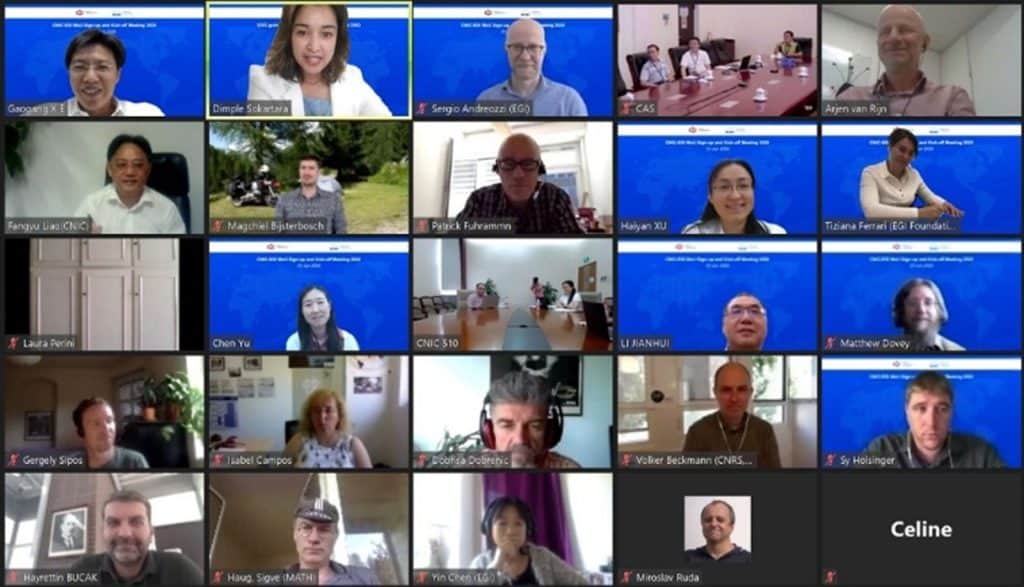
Figure 1. Cloud e-infrastructures open-science collaboration starts in 2020
Dialogues on Enhancing Open-Science Partnership
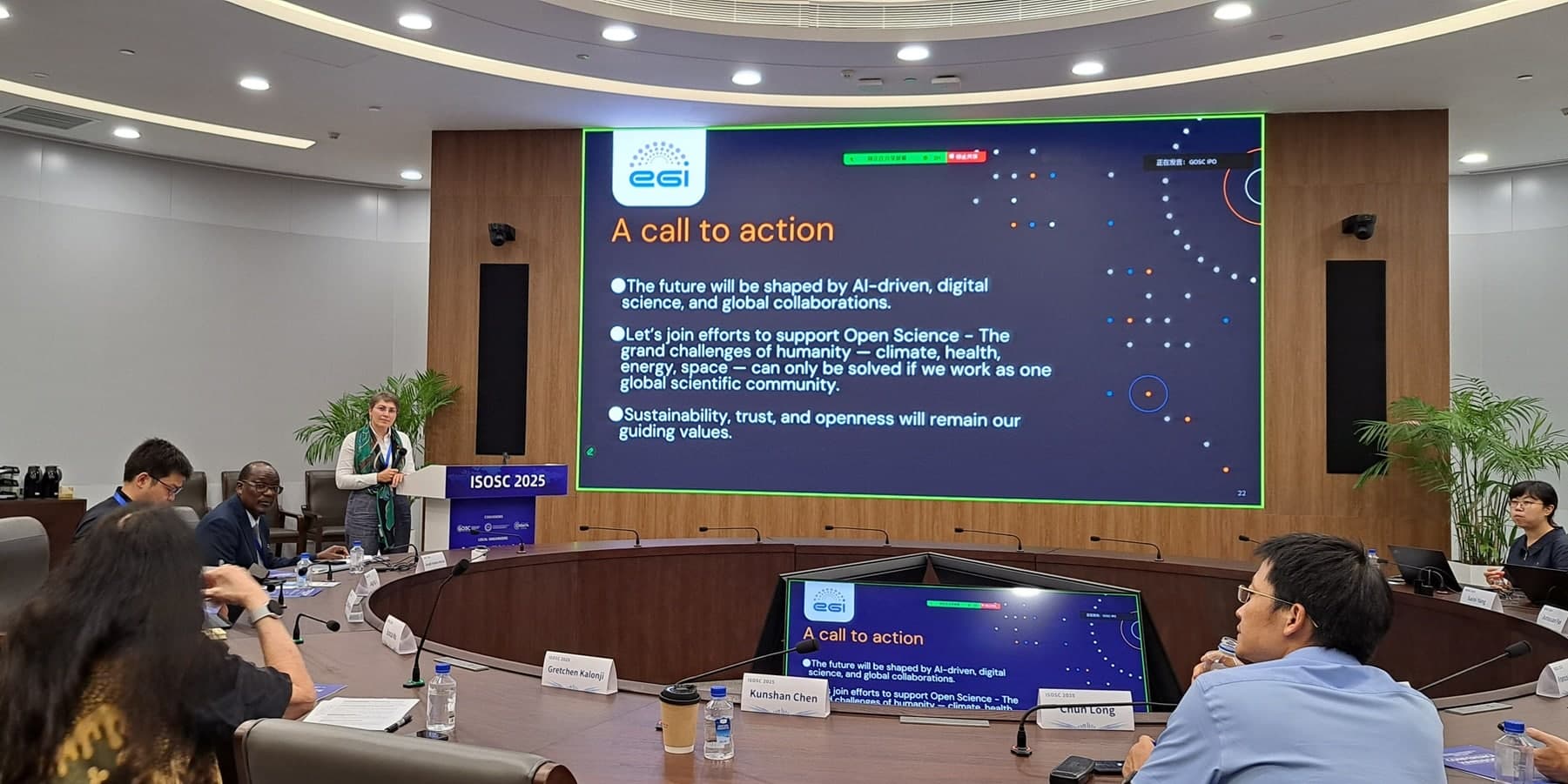
Beyond technical adoption, policy and community dialogues among stakeholders also advance the development of a trustworthy e-infrastructure ecosystem and nourish the development of the Global Open Science Cloud Initiative. By leveraging the international collaboration network, a series of capacity-building workshops has been delivered, including the Global Open Science Cloud Workshop series (1st, 2nd, 3rd), international symposium on Open Science Clouds (2023, 2025), and others. The joint group and its international partners reached consensus on the next steps that highlight the role of Open Science as instrumental, AI as a scalable capacity, and the United Nations Sustainable Development Goals as domain demonstrations. The ongoing dialogues also focus on developing guidelines for the delivery of research resources across regions and domains in the evolving digital era. Standards exploration for open science cloud service delivery has been endorsed by CODATA as a joint Task Group for the next two years to deepen understanding of interoperability across research facilities.
The 2025 Pivot and the Future of AI for Science
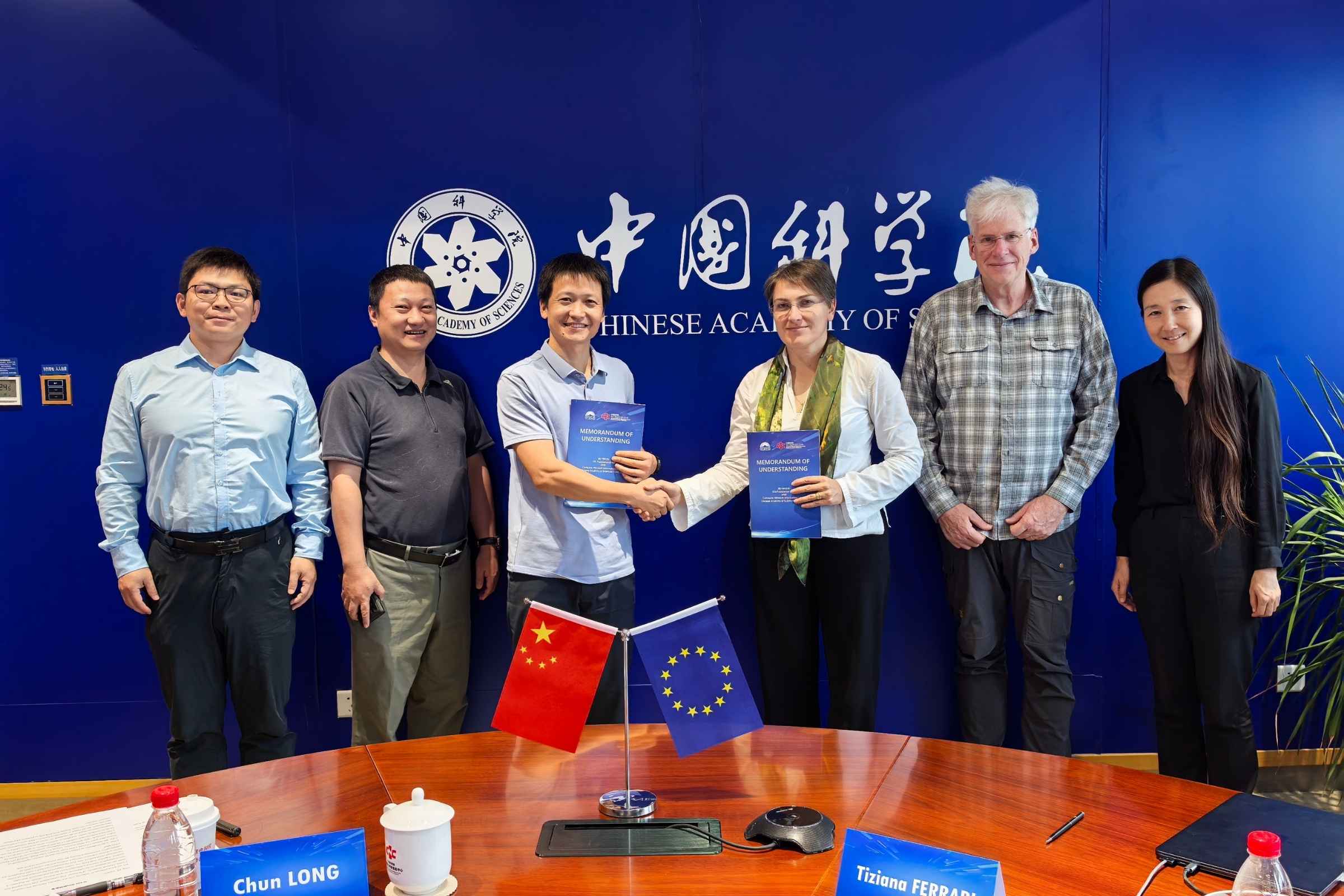
As we approach the five-year milestones, we better understand the role of co-developing open and trustworthy e-infrastructures in breaking silos to tackle complex research questions. To harness the power of Artificial Intelligence, EGI and CNIC renewed their Memorandum of Understanding in 2025 during the GOSC flagship event of the International Symposium on Open Science Cloud. Under this new mandate, CNIC and EGI agree to leverage AI-ready e-infrastructures for future Open Science. The partnership aims to build the intelligent "backbone" for modern AI-ready research in scientific discovery.
This is a new step for research and international collaboration, says Long Chun, Deputy Director of CNIC, during the renewed MoU signing ceremony.
Upon these new collaborations, EGI will leverage its federations and the ENVRI community to deliver integrated data services for the UN SDGs and Open Science, says Tiziana Ferrari, Director of the EGI Foundation.
The journey from the first MoU in 2020 to the AI-driven pivot of 2025 illustrates the power of sustained, infrastructure-level cooperation. By first building the technical foundations between CSTCloud and EGI, and then scaling that model through the GOSC framework, the partners have transformed the ideal of "Open Science" into a functional reality. As the alliance enters its next decade, the focus remains on providing a secure, inclusive, and intelligent platform for researchers worldwide.
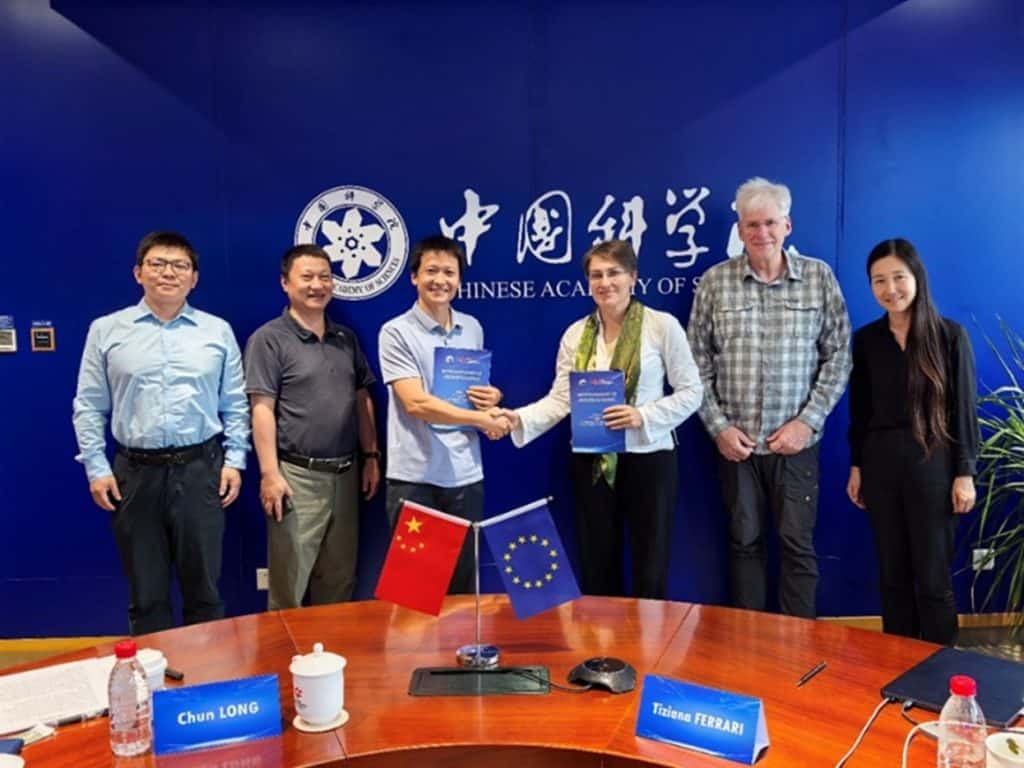
Figure 2. Renewed strategic MoU Signed in 2025
Related magazine news




A decade of empowering scientific research: the EGI Federated Cloud marks 10 years of operations
EGI, a European landmark infrastructure for scientific computing, celebrated its 20th anniversary in 2023, marking
The collaboration model between Galaxy and EGI has shown that by hiding the complexity of
What do you do when you can’t share a table and sign a Memorandum of
EGI and CNIC-CAS signed an agreement in Beijing to collaborate on AI-driven compute infrastructure and


EGI showcased its role in AI-driven open science at ISOSC 2025 in Suzhou.